Kancady Studio logo Kancady

Current Portfolio

Exploring the boundaries of minimalist design and addictive mechanics. Each concept below represents a distinct pixel-space narrative designed for mobile interaction.

Orbital Drift game visual concept showing abstract geometry

Orbital Drift

A physics-based puzzle game where players navigate gravitational fields using momentum conservation. The visual language uses geometric primitives to represent celestial bodies, demanding precision timing.

Physics Prototype
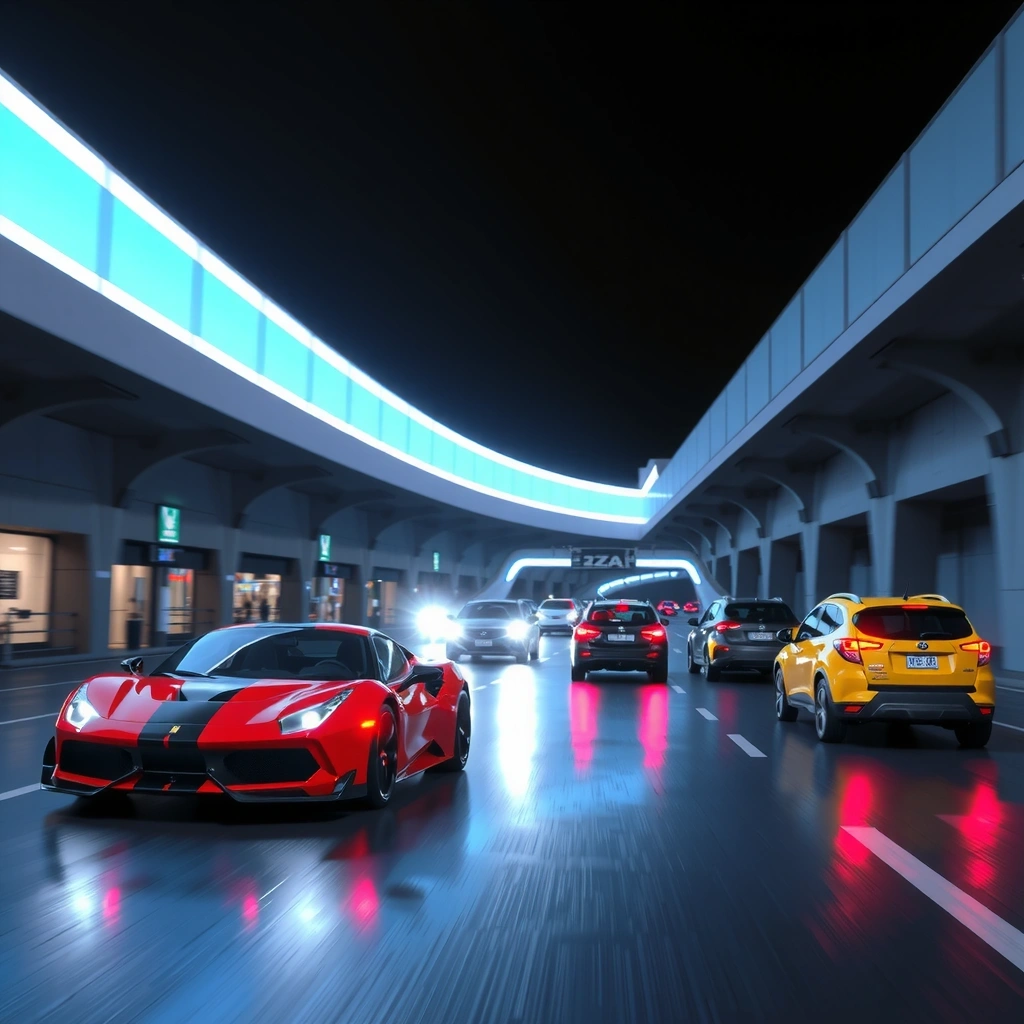
Neon Commute game visual concept showing pixel traffic

Neon Commute

An endless runner set in a stylized, rain-slicked London. Players dodge dense pixel-traffic while managing a boosting system that risks overheating the engine. The soundtrack is procedural synth-wave.

Vertical Slice
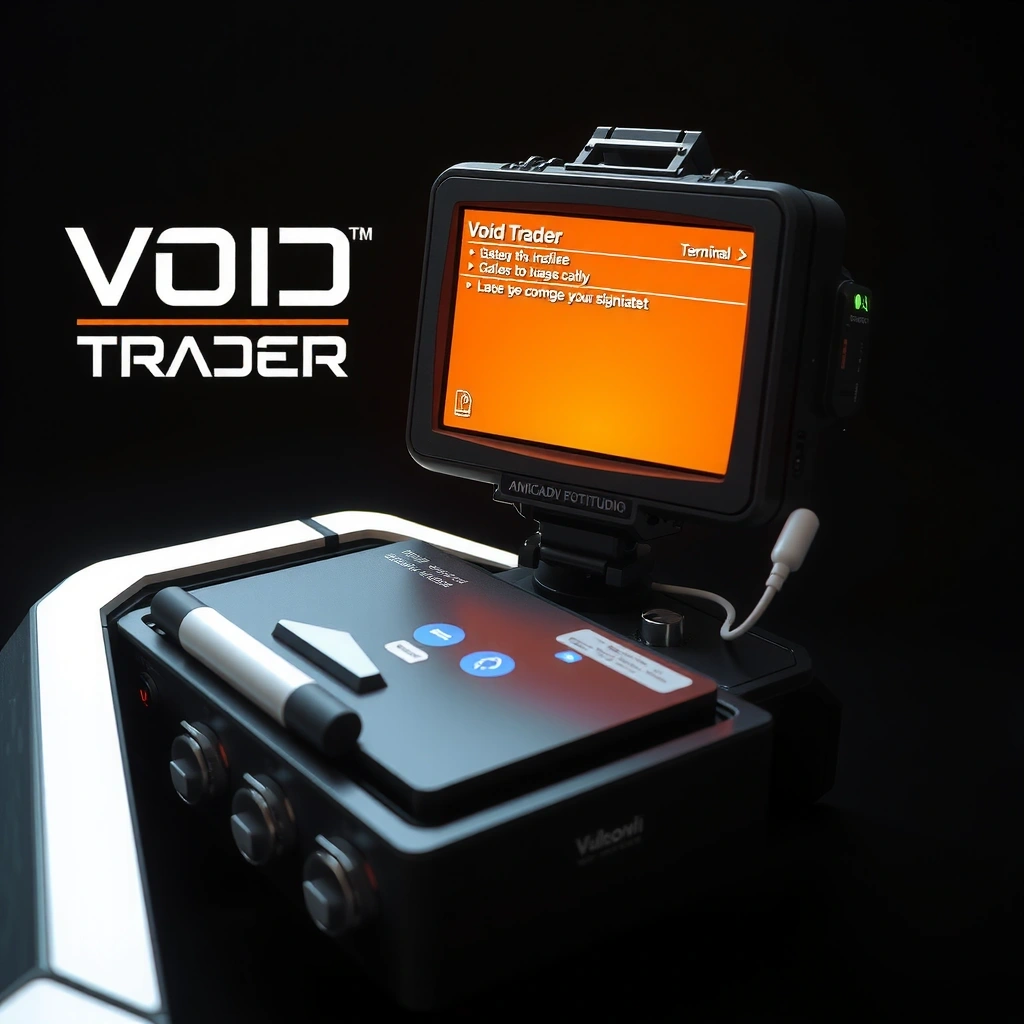
Void Trader game visual concept showing terminal interface

Void Trader

A text-based market simulation set in deep space. Players interpret fluctuating commodity prices and alien transmissions to build wealth. The interface mimics a retro-futuristic terminal.

Core Loop
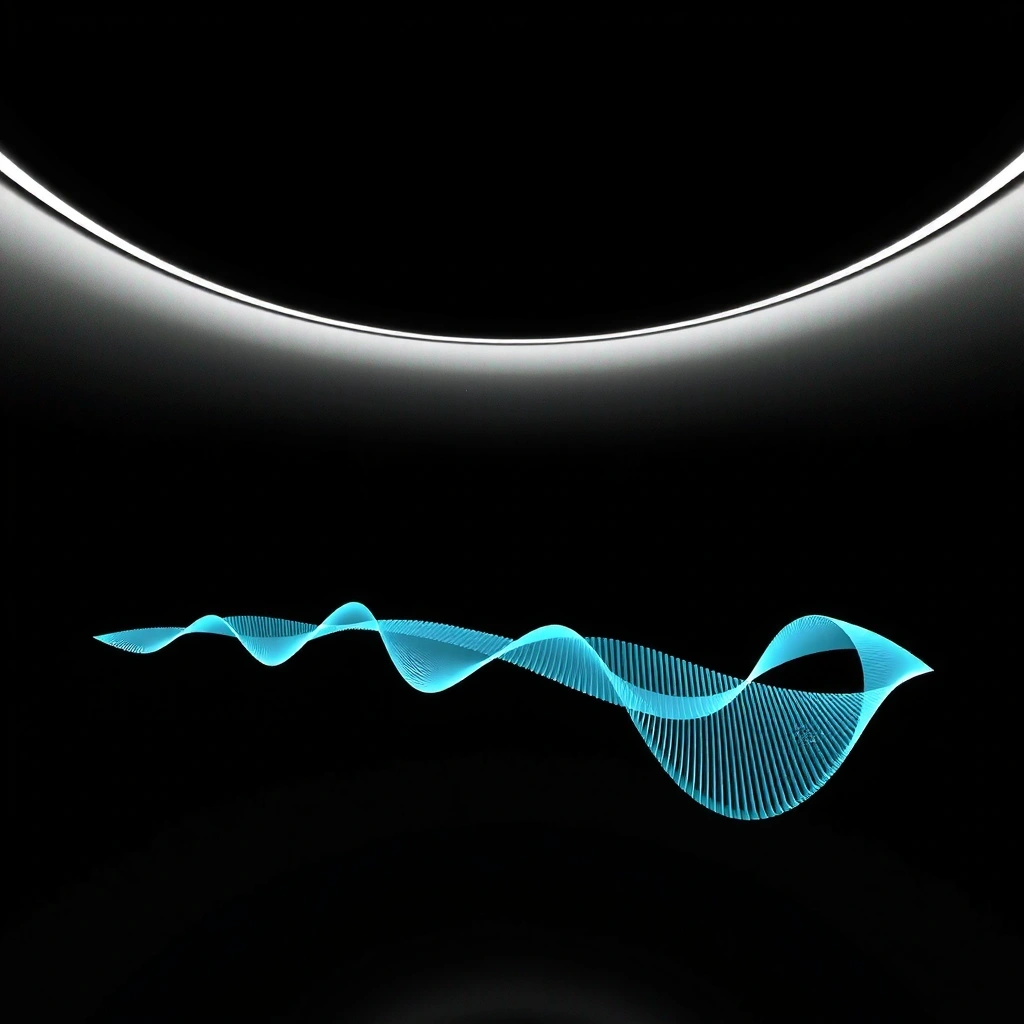
Echo Chamber game visual concept showing sound waves

Echo Chamber

A rhythm-puzzle game where players manipulate sound waves to resonate locks. The challenge lies in visualizing frequency interference patterns. Designed for headphones with haptic feedback integration.

Tech Demo
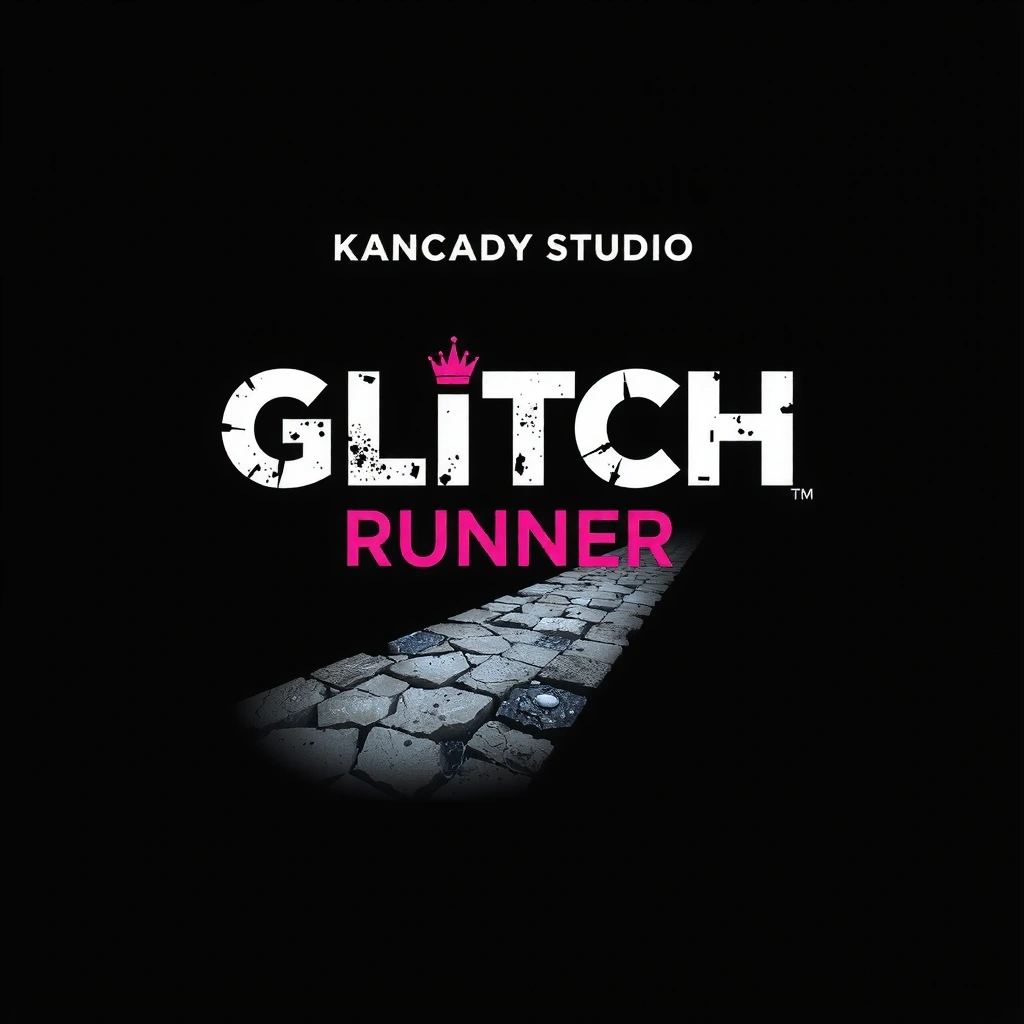
Glitch Runner game visual concept showing corrupted landscape

Glitch Runner

A fast-paced platformer where the environment actively corrupts. Players must "patch" reality while running, using glitch fragments to create temporary platforms. Visuals are intentionally unstable.

Alpha
Static Bloom game visual concept showing digital flower

Static Bloom

A procedural generative art game. Players nurture digital flora by solving pattern-matching puzzles. Each solution creates a unique visual bloom that can be exported as a wallpaper. Pure relaxation code.

Experiment

Kancady Studio Field Guide

We operate on a philosophy of "Subtractive Design". In a mobile environment cluttered with visual noise, clarity is the ultimate premium. Our games are built around the constraint that the screen is small and attention is finite.

When designing a Kancady game, we ask: "What can we remove?" If a button, an icon, or a visual effect doesn't serve the core loop, it is cut. This creates a high-contrast, focused experience where the player's intent is immediately validated.

Decision Criteria

  • 01. Single Input Vector: Can the game be played with one thumb? If not, the mechanic is too complex for the platform.
  • 02. 3-Second Readability: A player must understand the game state within 3 seconds of waking the screen. We use distinct silhouettes and high-contrast palettes.
  • 03. Zero Load Friction: The game must be instantly playable. No splash screens, no mandatory tutorials. Learning by doing is the only valid teacher.

Common Mistakes vs. Reality

Myth: "More features = better game"

Reality: Feature creep is the death of mobile projects. We ship with one perfect mechanic and expand only if it enhances that core.

Myth: "Players need hand-holding"

Reality: Respect the player's intelligence. If the physics are consistent, they will learn. We remove all UI overlays during gameplay.

Fact: "Battery life is a mechanic"

We optimize aggressively. A drained battery creates anxiety. Our games are lightweight so the player can relax.

Mini-Glossary

  • Pixel-Space: The aesthetic constraint of representing complex ideas through low-resolution elements.
  • Void: The background state. We treat the absence of content as a design element, not an emptiness.
  • Surge: A momentary spike in difficulty that requires a flow state to overcome.

Development Workflow

1

Define & Constrain

We start by writing a single sentence describing the fun. Then we list three technical constraints (e.g., "No color," "One finger," "Offline only"). This prevents scope creep.

2

Mock & Validate

Using paper prototypes or basic code, we simulate the core loop. We don't polish graphics yet. If the mechanic isn't fun in grayscale, it won't be fun in neon.

3

Build & Polish

We implement the "Kancady Polish Pass." This includes specific sound design (clicks, thuds) and screen-shake. It is the final layer that makes the game feel physical.

4

Ship & Monitor

We release a minimal viable version. We track "Time to First Surge"—the moment players get hooked. If it's too late, we iterate immediately.

Have a concept that fits this philosophy?

Submit your concept to the studio →
Pixel texture background

The London
Pixel Standard

Kancady Studio operates out of Glasgow, but our visual language is strictly London Underground meets 1990s terminal. We chase the aesthetic of efficiency. When a player picks up a Kancady game, they know it will respect their time and intelligence.

Input latency under 16ms
Zero third-party tracking
Dark mode native by default

Why "Pixel-Space"?

It represents the constraint of the medium. The screen is a grid of lights. We don't fight that grid; we weaponize it. High contrast isn't just a style choice; it's a functional requirement for outdoor playability.

0xFF
HEX CODE: #00FF41
STATUS: ONLINE
Privacy-First Design Philosophy

Signals of Quality

Uptime & Reliability

Our internal prototypes run on a custom engine optimized for battery life. In a stress test of "Neon Commute," the battery drain was 3% per 30 minutes on a standard device.

99.8% Stability

User Feedback Loop

We prioritize action over words. Average time from user bug report to patch deployment is 18 hours for critical issues. We use a direct Discord bridge for beta testers.

18h Response

Data Ethics

We do not sell user data. Period. Our subscription model is based on value exchange, not surveillance. All telemetry is anonymized and optional.

GDPR Compliant

Scenario Examples

"The 'Orbital Drift' prototype forced me to reconsider touch inputs. By removing the 'brake' button, I had to learn momentum management. It was frustrating for 5 minutes, then meditative. This is the Kancady difference."

— Alpha Tester / Puzzle Enthusiast

"Usually, mobile games kill my battery before I kill time. Void Trader lasted a 3-hour train ride with 20% battery left. The math checks out."

— Commuter / Simulation Fan

Ready to try the concepts?